
Organic silk
ALKENA is the pioneer of certified organic silk. Learn how our silk is made – from the mulberry tree to the thread.
The crucial difference
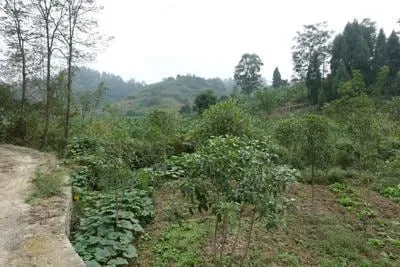
ALKENA is often asked what the difference is between organic and conventional silk.
The biggest difference comes through the nourishment of the silkworms. They convert mulberry leaves into a body substance which is subsequently used to spin cocoons. The better their nutrition, the better the resulting silk. Thanks to the biodynamic farming of the mulberry trees, our silkworms are better nourished, feeding on high quality leaves without any chemical or environmental contamination. Silkworms are sensitive creatures which are seriously weakened by chemicals which result in inferior cocoons or even death of the silkworms.
Large cocoons produced by healthy silkworms produce longer continuous fibre. A good cocoon, for example, produces 2500 m of silk fibre, of which approximately 1500 m is so-called filament silk which can be wound directly from the cocoon. In subsequent processing, the remaining fibres are used for spun silk or bourette/noil silk, or made into silk batting used for bedding and jackets.
Silk wound from inferior cocoons is less elastic, the fibre is irregular and its colour is dull. These undesirable characteristics cannot be compensated by subsequent processing but remain as product differences. Weaves and knits are less even and require more chemicals in preparation of dying.
Because it improves the environment on a long-term basis, biodynamic agriculture improves the quality of life. Requiring more manual labour, it has a positive impact on the high unemployment rate of rural Chinese.
The certified organic silk produced in ALKENA’s SABA project is recognized as of the highest quality. As other producers become aware of the economic advantage of this difference, they will be encouraged to emulate this type of agriculture. Then it is only a small step towards biodynamic agriculture for human foods.
Biodynamic agriculture also improves the general economics of the region. The ongoing quality of the cocoons result in higher revenues at the same time that a biodynamic partnership requires fair trade. A respectful approach to the environment places the focus on human beings and also results in a respectful attitude towards business partners. Mutually agreed prices and guaranteed purchase contracts protect farmers and their families from being at the mercy of artificially manipulated prices.
The production of organic silk

ALKENA and selected Chinese partners launched a biodynamic project under the name SABA in the Chinese province of Szechuan. The project is located in the eastern foothills of the Himalayas near the county seat of Jiangyou at 500 m elevation. Surrounding peaks reach 4000 m and the bamboo forests below are home to panda bears.
The goal of the project was to create a reliable source of high-quality silk while at the same time encouraging local farmers and authorities to consider new forms of agriculture.
The project covers 200 hectares, producing about 30,000 kg of cocoons per year. This requires approximately 900,000 kg mulberry leaves which are produced on site.
Planting mulberry trees
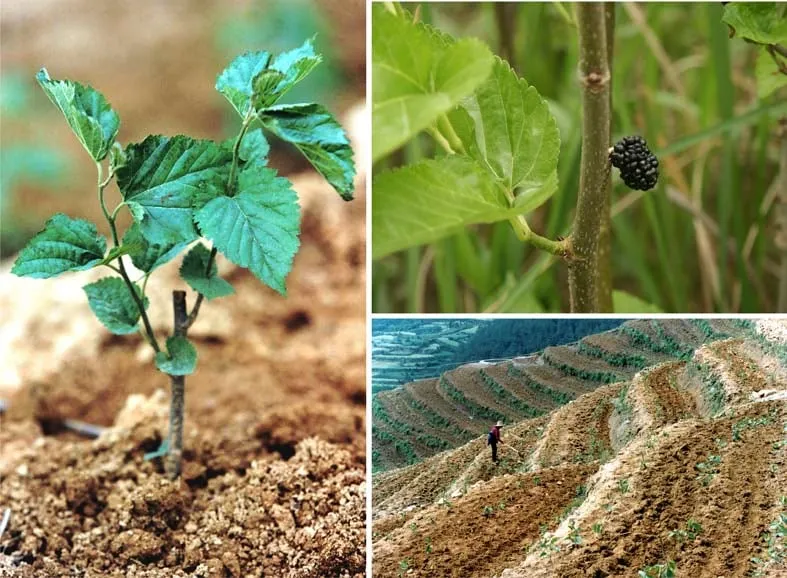
Mulberry trees can be planted on less fertile land. They are trimmed and kept as bushes, without a central trunk. Every year the bush produces about 15 shoots which grow to about 2 m and are gradually harvested of all their leaves 4 times per year. These freshly picked leaves are fed to the silk worms between May and September.
To date, the SABA Project has planted approximately 600,000 mulberry trees. In order to offer nesting places for birds, to provide shade and wind protection for the mulberry trees, hundreds of fruit trees and about 5000 other trees have been planted as well. Only biodynamic agricultural methods can maintain an ecological balance in this monoculture of trees.
The raw material
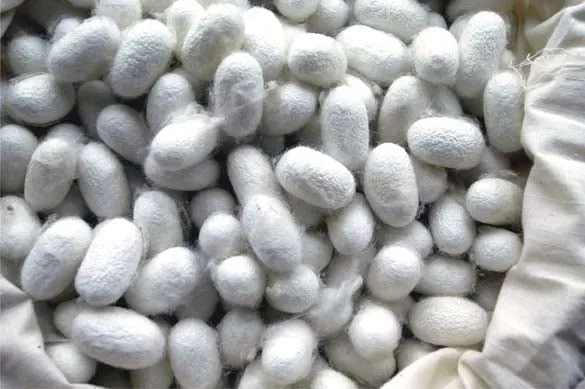
As is true for all natural fibres, the quality of the raw silk determines the quality of the final product. Silk begins with the cocoon. Different silk worms produce different types and qualities of cocoons, and thereby different silks. Premier among them is mulberry silk, produced by bombyx mori, the mulberry silk worm. This silk is considered the best because of its white colour, sheen, fineness and evenness of fibre. The name derives from the plant eaten by the silk worm: the mulberry tree, whose freshly picked leaves are the only foodstuff these silk worms accept.
The usage
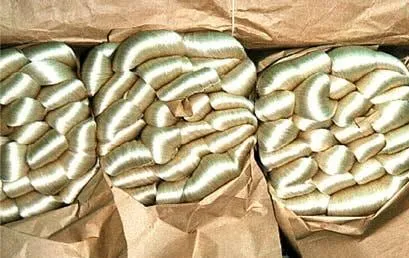
More than 6 kg of fresh cocoons are needed to produce 1 kg of filament silk, the fibre wound directly from the cocoon. In other words, 475 silk worms produce 1 kg of fresh cocoons for which they need to eat 30 kg of fresh mulberry leaves. Approximately 5–6 t-shirts can be made from 1 kg filament silk.
More about the life cycle: The silkworm.